
Containers have significantly increased the efficiency of transporting goods, machinery and general motorcycle equipment, often used to transport equipment used by companies in all industry sectors, especially offshore. They allowed fast and safe loading and unloading of goods, lowering operating costs.
The Inspection
Annual inspection (12 months): this is common practice and is what many classifier and operator guides adopt as the maximum interval for containers in continuous service; standards (EN/DNV/ISO) and guides show periodicity tables — check specific table for lifting sets and structural container.
Certification
Certification includes: project evaluation, factory tests, inspection of welds and NDTs, issuance of Certificate / inspection plate and periodic inspection program.
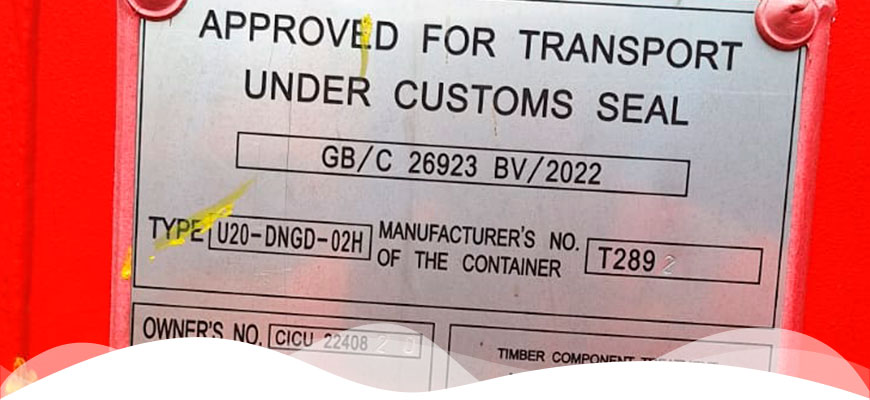
The Inspection Plate must contain at a minimum: container identification, serial number, maximum gross mass (MGB), WLL (when applicable), standard reference (e.g.: DNV 2.7-1 / EN 12079), date of last inspection and expiration date/next inspection, and suffix of the inspection code. These requirements appear in standards and guides
Standards and documents
- DNV ST-E271 (2.7-1)
Standard for Certification: technical requirements for approval/certification of offshore containers and lifting sets (updated editions — see the latest version of DNV). Covers design, testing, marking and periodic inspection. - EN 12079 (and ISO 10855)
Parts: design/manufacturing (Part 1), lifting sets (Part 2) and periodic inspection (Part - Classifier guides (ABS, DNV, LR, etc.)
provide practical procedures, frequency tables and inspection forms; use in conjunction with standards for implementation.